ShipTribes
Français

Vehicle guide

Match any load to the right vehicle.

Enter the weight and pallet count. We’ll show the smallest vehicle that fits, the license it needs, and every other option from cargo vans to heavy haul.

lb

Set to 0 for machinery or bulk freight that isn’t on pallets.

Vehicle size
More filters
Freight
ft

Leave 0 if nothing is longer than a pallet.

7 of 12 vehicles can carry it

For 8,500 lb on 8 pallets. Smallest vehicle first.

Best fit

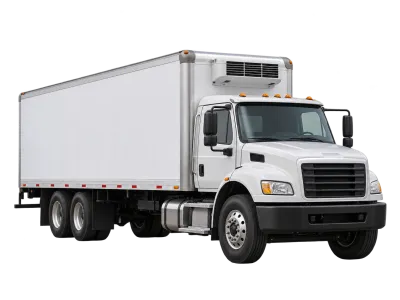
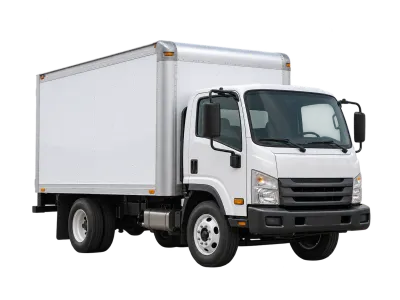
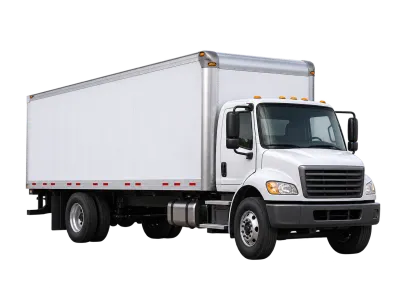
Box truck, 26 ft (non-CDL)

Regional LTL, palletized retail freight, middle-mile transfers, moves. The smallest vehicle that carries your load, and typically the cheapest to run.

Weight

8,500 of 10,000 lb

1,500 lb to spare

Pallet space

8 of 12 spaces

4 free

License and rules

No CDL

Commercial vehicle: USDOT number, medical card, hours of service

Specs and rules

Specs and rules

Typical figures for a 26 ft box at the 26,000 lb non-CDL limit.
Typical payload
10,000 lb
Gross weight rating (truck + cargo)
26,000 lb
Pallet positions
12 standard pallets
Weight class (FHWA)
6
Cargo length
24′–26′
Floor height
48 in–52 in
Rules it comes withNo CDL

Commercial vehicle: USDOT number, medical card, hours of service

Rated at 26,000 lb GVWR or less, so no CDL is needed. It is a commercial motor vehicle: USDOT number, medical card and hours of service apply for interstate work.

Good to know
  • Often dock height, for standard warehouse docks
  • Add-ons cut the real payload: a liftgate alone weighs about 1,200 lb
  • Fills (12 pallets) or weighs out (about 10,000 lb) quickly on dense freight
Also fits · 6 larger options

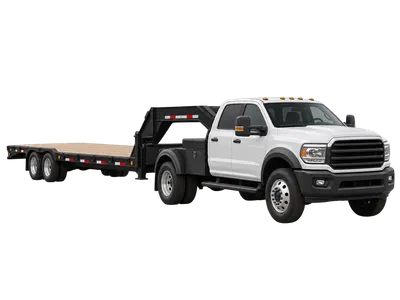
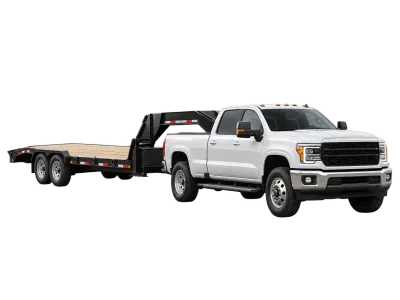
Hotshot, non-CDL (pickup + gooseneck)

No CDL

Time-sensitive machinery, pipe, farm and building materials.

Weight

74% of 11,500 lb

3,000 lb to spare

Pallets 8 of 18

10 free

Specs and rules

Typical figures for a pickup with a gooseneck trailer.

Typical payload
11,500 lb
Gross weight rating (truck + cargo)
26,000 lb
Pallet positions
18 standard pallets
Weight class (FHWA)
3 + trailer
Cargo length
35′–40′
Floor height
32 in–36 in
Rules it comes withNo CDL

Commercial vehicle: USDOT number, medical card, hours of service

No CDL while the truck is 26,000 lb or less and either the combination is 26,000 lb or less or the trailer is 10,000 lb or less. It is a commercial motor vehicle, and open-deck loads must be secured to federal cargo securement rules.

Good to know
  • Cheaper and quicker to dispatch than a full flatbed
  • Open deck: tarps for anything that can’t get wet
  • Combined weight gets checked at scales

Heavy straight truck (dry or refrigerated)

Class B CDL

Food and beverage distribution, heavy regional LTL, multi-stop grocery.

Weight

57% of 15,000 lb

6,500 lb to spare

Pallets 8 of 14

6 free

Specs and rules

Typical figures for a 33,000 lb straight truck.

Typical payload
15,000 lb
Gross weight rating (truck + cargo)
33,000 lb
Pallet positions
14 standard pallets
Weight class (FHWA)
7
Cargo length
26′–28′
Floor height
48 in–52 in
Rules it comes withClass B CDL

Commercial vehicle: USDOT number, medical card, hours of service

Over 26,000 lb: an IFTA fuel-tax license and quarterly returns when it runs in two or more states.

A single vehicle rated 26,001 lb or more needs a Class B CDL. A driver who took the CDL test without air brakes gets a restriction and can’t drive one with air brakes. Commercial motor vehicle rules apply in full.

Good to know
  • About half again the payload of a 26 ft non-CDL box truck
  • Made for dense freight that weighs out a smaller truck
  • Higher insurance and Class B driver pay; at 33,000 lb GVWR or less, no 12% federal excise tax when bought new

Hotshot, CDL (heavier gooseneck)

Class A CDL

Heavy regional equipment, steel, partial flatbed loads.

Weight

43% of 20,000 lb

11,500 lb to spare

Pallets 8 of 20

12 free

Specs and rules

Typical figures for a class 4–5 truck with a heavier gooseneck.

Typical payload
20,000 lb
Gross weight rating (truck + cargo)
36,000 lb
Pallet positions
20 standard pallets
Weight class (FHWA)
4–5 + trailer
Cargo length
40′
Floor height
34 in–40 in
Rules it comes withClass A CDL

Commercial vehicle: USDOT number, medical card, hours of service

Over 26,000 lb: an IFTA fuel-tax license and quarterly returns when it runs in two or more states.

A combination rated 26,001 lb or more with a trailer over 10,000 lb needs a Class A CDL. CDL drivers are in the federal drug and alcohol testing program: the carrier checks FMCSA’s Clearinghouse before hiring and every year. Commercial motor vehicle rules and cargo securement apply.

Good to know
  • Bridges light hotshots and full semi flatbeds
  • Ramps load wheeled or tracked machines from the ground
  • Needs a Class A driver

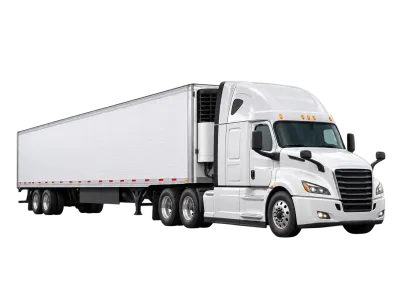
Reefer, 53 ft (refrigerated semi)

Class A CDL

Produce, meat, dairy, frozen food, temperature-sensitive pharmaceuticals.

Weight

20% of 42,500 lb

34,000 lb to spare

Pallets 8 of 26

18 free

Specs and rules

Typical figures for a 53 ft reefer; the unit and insulation cost payload.

Typical payload
42,500 lb
Gross weight rating (truck + cargo)
80,000 lb
Pallet positions
26 standard pallets
Weight class (FHWA)
8
Cargo length
53′
Floor height
48 in–52 in
Rules it comes withClass A CDL

Commercial vehicle: USDOT number, medical card, hours of service

Over 26,000 lb: an IFTA fuel-tax license and quarterly returns when it runs in two or more states.

Class A CDL. Food in refrigerated transport falls under FDA’s sanitary transportation rule (temperature control and records).

Good to know
  • Insulation and the refrigeration unit weigh about 2,500 lb: less payload than a dry van
  • Slightly less inside room than a dry van
  • Can carry dry freight on the way back with the unit off

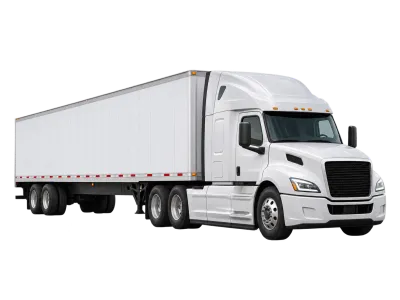
Dry van, 53 ft (semi)

Class A CDL

Full truckloads of boxed, retail and palletized freight over the road.

Weight

19% of 45,000 lb

36,500 lb to spare

Pallets 8 of 26

18 free

Specs and rules

Typical figures for a 53 ft dry van behind a day cab or sleeper.

Typical payload
45,000 lb
Gross weight rating (truck + cargo)
80,000 lb
Pallet positions
26 standard pallets
Weight class (FHWA)
8
Cargo length
53′
Floor height
48 in–52 in
Rules it comes withClass A CDL

Commercial vehicle: USDOT number, medical card, hours of service

Over 26,000 lb: an IFTA fuel-tax license and quarterly returns when it runs in two or more states.

A tractor-trailer combination: Class A CDL. On the Interstate, federal limits are 80,000 lb gross, 20,000 lb on a single axle and 34,000 lb on a tandem, within the bridge formula; more needs a state permit.

Good to know
  • Lowest cost per ton-mile for enclosed freight
  • Rear doors only: needs a dock or a forklift ramp
  • 26 pallets single-stacked; more if they stack and weight allows

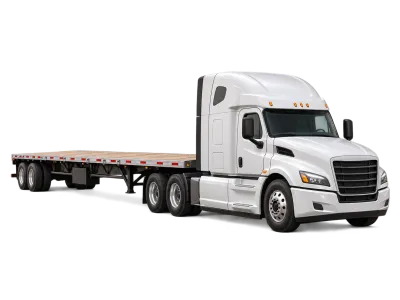
Flatbed or step deck, 48–53 ft

Class A CDL

Steel, lumber, tall machinery, anything loaded by crane or from the side.

Weight

18% of 48,000 lb

39,500 lb to spare

Pallets 8 of 24

16 free

Specs and rules

Typical figures for a 48–53 ft flatbed or step deck.

Typical payload
48,000 lb
Gross weight rating (truck + cargo)
80,000 lb
Pallet positions
24 standard pallets
Weight class (FHWA)
8
Cargo length
48′–53′
Floor height
40 in–60 in
Rules it comes withClass A CDL

Commercial vehicle: USDOT number, medical card, hours of service

Over 26,000 lb: an IFTA fuel-tax license and quarterly returns when it runs in two or more states.

Class A CDL. Every load must be tied down to the federal cargo securement rules (chains, straps, edge protection).

Good to know
  • Loads from the top and both sides
  • A step deck takes taller freight without an oversize permit
  • Strapping, chaining and tarping take the driver’s time and work

Can’t carry it · 5

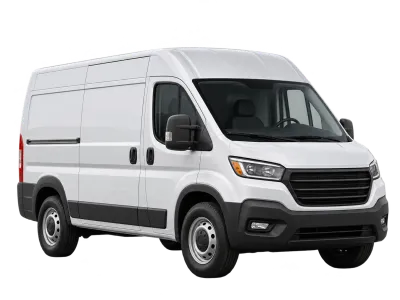
Cargo van

No CDL

5,500 lb over its payload · room for 2 of your 8 pallets

Specs and rules

Specs and rules

Typical figures for a full-size cargo van.

Parcels, small business deliveries, a few boxes or one or two pallets across town.

Typical payload
3,000 lb
Gross weight rating (truck + cargo)
8,600 lb
Pallet positions
2 standard pallets
Weight class (FHWA)
1–2a
Cargo length
10′–12′
Floor height
20 in–24 in
Rules it comes withNo CDL

Under 10,001 lb: not a commercial vehicle by weight

Under 10,001 lb, so it isn’t a commercial motor vehicle by weight: no USDOT number, medical card or federal logbook for that reason. Hauling for hire across state lines still needs operating authority (MC).

Good to know
  • Parks and drives anywhere a car can
  • Low floor; no dock height, so pallets need a pallet jack and a ramp or liftgate
  • Fills up fast: think volume before weight

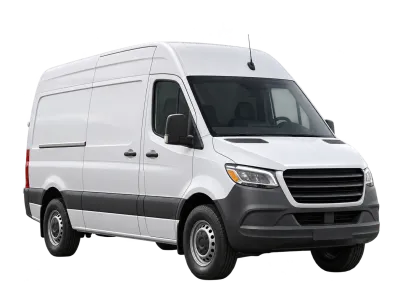
Sprinter van (high roof)

No CDL

4,700 lb over its payload · room for 3 of your 8 pallets

Specs and rules

Specs and rules

Typical figures for a high-roof, extended-length van.

Expedited freight, medical and parts runs, high-priority last mile, 1–3 pallets.

Typical payload
3,800 lb
Gross weight rating (truck + cargo)
9,990 lb
Pallet positions
3 standard pallets
Weight class (FHWA)
2b
Cargo length
12′–16′
Floor height
24 in–28 in
Rules it comes withNo CDL

Under 10,001 lb: not a commercial vehicle by weight

Built just under 10,001 lb GVWR, so not a commercial motor vehicle by weight. Interstate for-hire hauling still needs operating authority (MC). Loading it past its rating is overloading.

Good to know
  • Fast door to door, and stands up straight inside a high roof
  • Not dock height: plan a pallet jack, a ramp or a forklift
  • A firm weight ceiling: dense freight weighs out before it fills up

Box truck, 16 ft

No CDL

3,000 lb over its payload · room for 6 of your 8 pallets

Specs and rules

Specs and rules

Typical figures for a 16 ft box on a class 3–4 chassis.

Local deliveries, appliances and furniture, retail restock, small LTL.

Typical payload
5,500 lb
Gross weight rating (truck + cargo)
14,500 lb
Pallet positions
6 standard pallets
Weight class (FHWA)
3–4
Cargo length
14′–16′
Floor height
34 in–40 in
Rules it comes withNo CDL

Commercial vehicle: USDOT number, medical card, hours of service

Over 10,001 lb GVWR: a commercial motor vehicle. Interstate work needs a USDOT number, a driver medical card and hours-of-service records (an ELD unless an exception applies, such as short-haul: within 150 air-miles of the work location and released within 14 hours). No CDL.

Good to know
  • Easy in city streets and residential deliveries
  • Usually below dock height: a liftgate helps a lot
  • A good step up when a van is too small

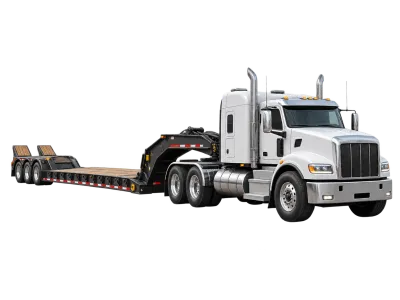
Lowboy or removable gooseneck (RGN)

Class A CDL + oversize permits

Takes no pallets

Specs and rules

Specs and rules

Typical figures for a multi-axle lowboy under permit.

Excavators, bulldozers, transformers, oversize industrial equipment.

Typical payload
80,000 lb
Gross weight rating (truck + cargo)
120,000 lb
Pallet positions
None (bulk or machinery)
Weight class (FHWA)
8
Cargo length
48′–53′
Floor height
18 in–24 in
Rules it comes withClass A CDL + oversize permits

Commercial vehicle: USDOT number, medical card, hours of service

Over 26,000 lb: an IFTA fuel-tax license and quarterly returns when it runs in two or more states.

Class A CDL. Loads over the legal weight, width or height need oversize/overweight permits from each state on the route, and sometimes escort vehicles.

Good to know
  • Machines drive straight on when the gooseneck comes off
  • A very low deck leaves room for tall loads under bridges
  • Permits, travel curfews and escorts add time and cost

Not listed on ShipTribes yet: carriers can’t post this equipment.

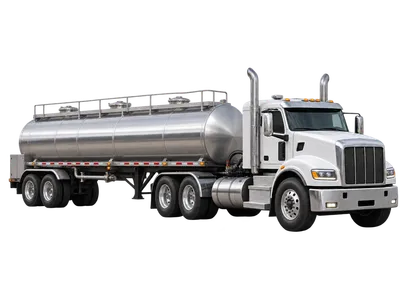
Tanker (liquid or dry bulk)

Class A CDL + tank endorsement (N)

Takes no pallets

Specs and rules

Specs and rules

Typical figures for a 42–48 ft liquid or dry-bulk tank.

Fuel, chemicals, milk and food oils, cement, flour.

Typical payload
46,000 lb
Gross weight rating (truck + cargo)
80,000 lb
Pallet positions
None (bulk or machinery)
Weight class (FHWA)
8
Cargo length
42′–48′
Floor height
Loaded by pump or hose
Rules it comes withClass A CDL + tank endorsement (N)

Commercial vehicle: USDOT number, medical card, hours of service

Over 26,000 lb: an IFTA fuel-tax license and quarterly returns when it runs in two or more states.

Class A CDL with a tank vehicle endorsement (N). Hazardous materials also need the hazmat endorsement (H), which comes with a TSA security threat assessment; X on the license means both.

Good to know
  • Liquid surge changes how it handles
  • Food-grade tanks need washouts between loads
  • No pallets: bulk only, pumped or blown in and out

Not listed on ShipTribes yet: carriers can’t post this equipment.

Typical figures for comparison. A vehicle’s real limits are on its door-jamb label, and the carrier’s listing says what it takes. This guide is general information, not legal advice.

Where the rules come from